
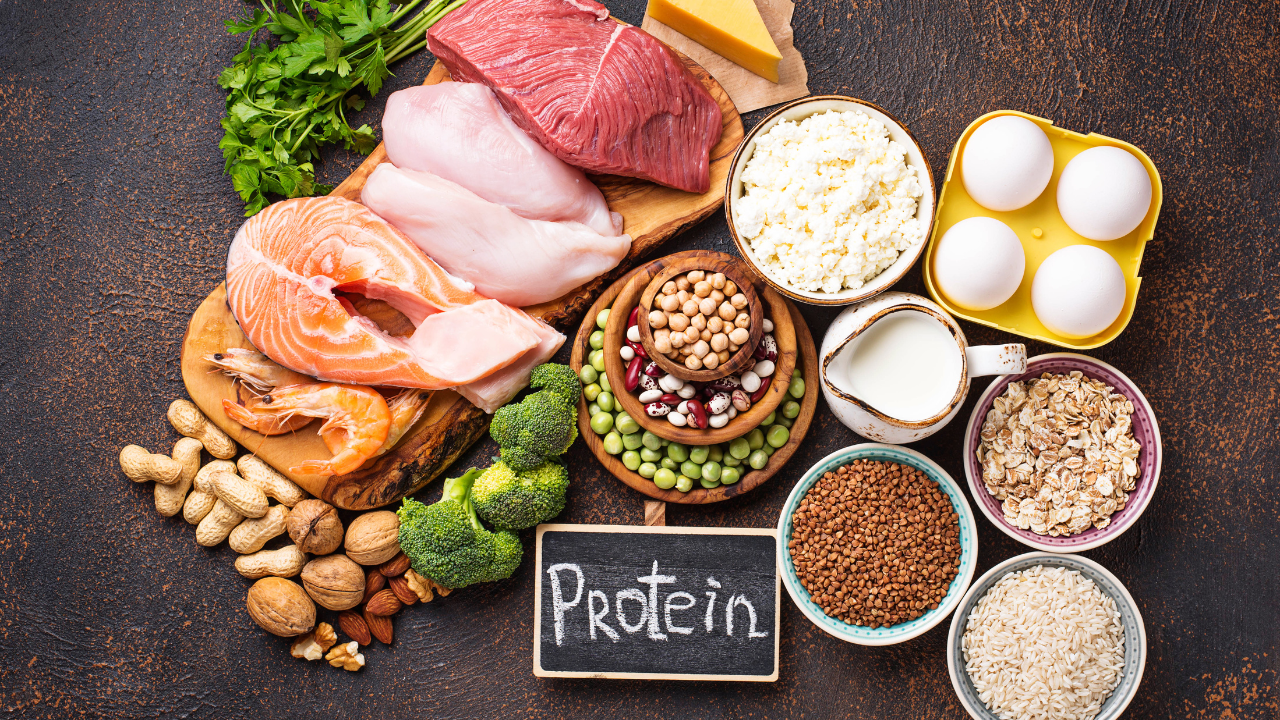
How much protein women in menopause really need, when to eat it, and why it matters for muscle, recovery and long-term strength.
Protein in menopause becomes increasingly important as estrogen declines.
Many women are training consistently, yet noticing slower progress, reduced muscle tone or persistent fatigue.
One reason is something called anabolic resistance.
As we move through peri- and post-menopause, the body becomes less responsive to the protein we consume. This means the same intake that supported muscle in your 30s may no longer be sufficient.
Why Protein Needs Increase in Midlife
Research, including the work of Dr. Stacy Sims, shows that estrogen plays a key role in muscle protein synthesis.
As estrogen declines:
- Sensitivity to dietary protein decreases
- Muscle repair becomes less efficient
- Recovery requires a stronger stimulus
This does not mean you are doing something wrong.
It means your physiology has shifted.
To stimulate muscle protein synthesis effectively, protein intake must increase.
For active women in menopause, recommendations often fall between 2.0–2.3 grams per kilogram of bodyweight per day, depending on training load.
This is higher than standard dietary guidelines — and appropriate for women prioritising strength and longevity.
What That Looks Like in Practice
For a 70kg woman, this equates to approximately 140g+ of protein per day.
This is not restrictive dieting.
It is structured fuelling.
An example day might include:
Breakfast
3 eggs + additional egg whites
Greek yoghurt with seeds
≈ 35–40g
Lunch
Grilled chicken or tofu with whole grains and vegetables
≈ 30–35g
Dinner
Salmon or lean red meat with legumes and vegetables
≈ 35–40g
Post-training or snack
Whey or plant-based protein
≈ 25–30g
The goal is consistent distribution, not one large serving late in the day.
Protein Timing Matters
Another common pattern is under-consuming protein earlier in the day and relying heavily on dinner.
Distributing intake more evenly improves muscle protein synthesis.
A practical guideline:
- 30–40g at each main meal
- Prioritise protein within 30–45 minutes after strength training
- Avoid relying on one large evening intake
Menopause strength training creates the stimulus.
Protein provides the building blocks.
Without adequate intake, adaptation is limited.
Protein, Strength and Recovery Work Together
If you are reading this and have not yet explored the broader training framework, my pillar article Routine Reboot: Why Your Old Training Plan Is Not Working in Menopause explains how strength, recovery and fuelling must work together during this stage.
Protein in menopause is not about aesthetics.
It supports:
- Muscle preservation
- Bone health
- Recovery capacity
- Stable energy
- Long-term capability
When paired with structured strength training and deliberate recovery, it becomes a powerful tool for ageing well.
The Bottom Line
Midlife requires adjustments.
Increasing protein intake is not extreme.
It is strategic.
If you are unsure how much you are currently eating, or how to align nutrition with your training, I offer individualised coaching for women in Queenstown and across New Zealand navigating menopause.
Strength is built through stimulus.
Recovery and nutrition allow it to last.
Leave a Reply